 Hairset
How layers work
Two things define a layered cut: where the shortest layer starts and how many layers there are. Long layers start around the collarbone or lower and add soft movement. Shoulder layers start higher, around the chin, and bring more shape to the face. A cut with many short layers becomes a shag or a wolf cut.
The perimeter matters too. A U-cut keeps the ends rounded and full, best for fine hair. A V-cut angles to a point in the back, which makes long hair look even longer but thins the ends.





How many layers your hair needs
Fine or thin hair: few layers, starting low, and a blunt or U-shaped perimeter. Every layer removes some density from the ends, and fine hair can’t spare much. See our guide to hairstyles for thin hair.
Thick hair: more layers, plus weight removed from the inside (internal layers) so the hair moves instead of sitting like a block.
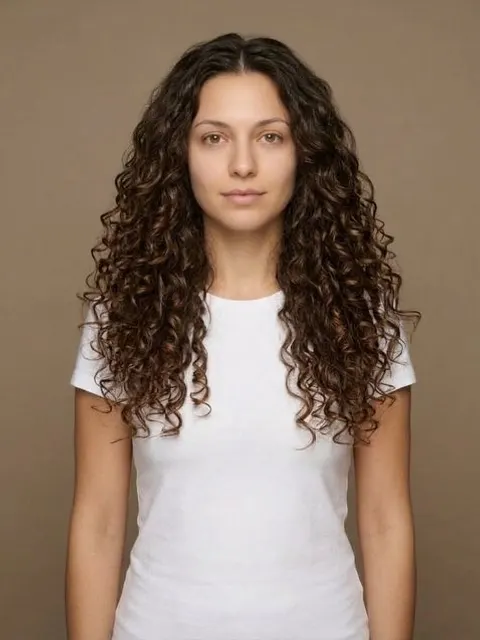
Curly hair: graduated layers cut dry, on the curl. They stop curls from bunching at the bottom and lift the crown. Avoid razors on curls; they cause frizz.
Layers and face shape
Layers work on every face shape, but the starting point shifts. On a round face, start the shortest layer below the chin so it lengthens. On an oblong face, start it at the cheekbone to add width. On a square face, start around the jaw to soften the corners. For more on the front pieces specifically, see face-framing layers.
How to ask for layers
Styling and upkeep
Layers show best with a little bend. Air-dry with a light leave-in, or blow-dry with a large round brush turning the ends under or away from the face. Long layers need a trim every 10 to 12 weeks; shoulder layers every 8 to 10. Because the layers just grow into the length, there’s never an awkward stage.