 Hairset
Fine, thin or thinning? They’re different
People use these words interchangeably. Stylists don’t, because each one changes the advice.
| Word | What it means | What helps |
|---|---|---|
| Fine | Each strand is narrow in diameter. You can have a lot of fine hair. | Blunt ends, light products, avoid heavy oils. |
| Thin (low density) | Fewer strands per square inch. Scalp may show at the part. | Shorter lengths, strategic layers, color dimension. |
| Thinning | Density is decreasing over time, at the part, crown or temples. | A cut that suits where it’s happening, and a dermatologist to find the cause. |
A quick test: roll a single strand between two fingers. If you can barely feel it, your hair is fine. Then pull it back in a ponytail. If the ponytail is smaller around than a coin, your hair is thin. Many people have both.
The best cuts for thin hair (women)
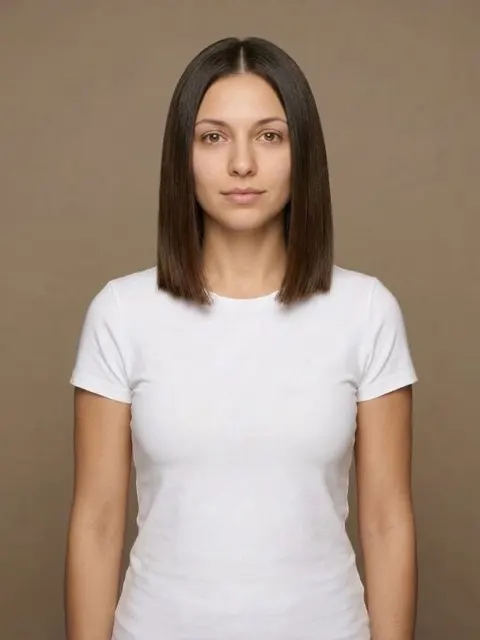
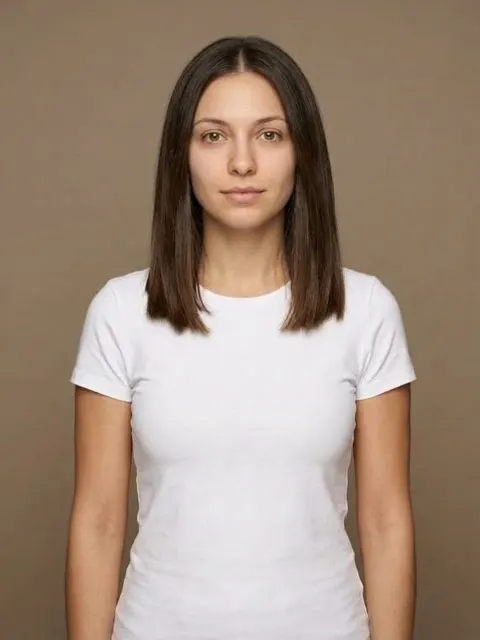
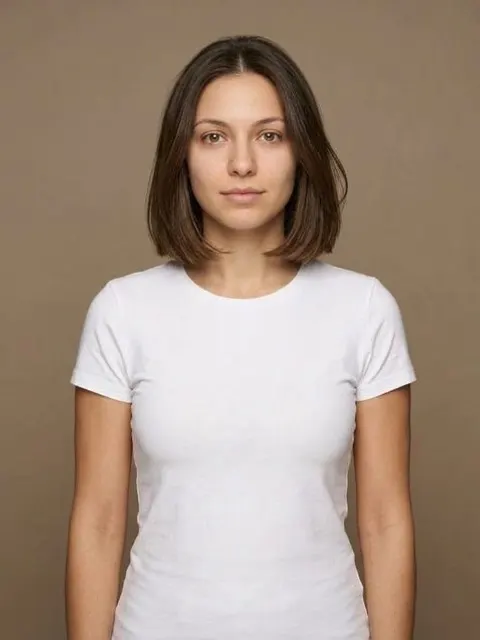
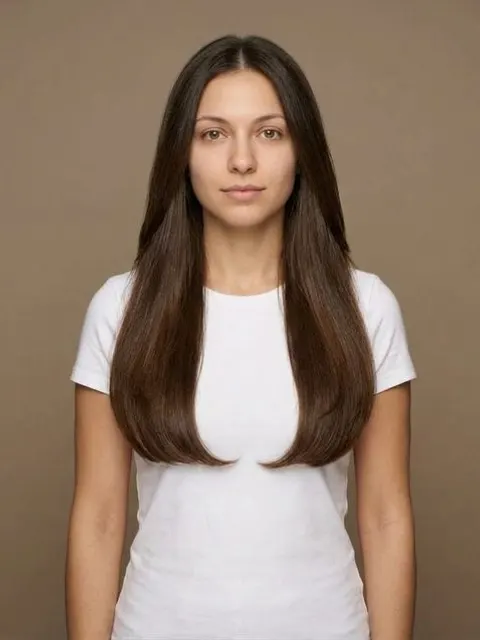
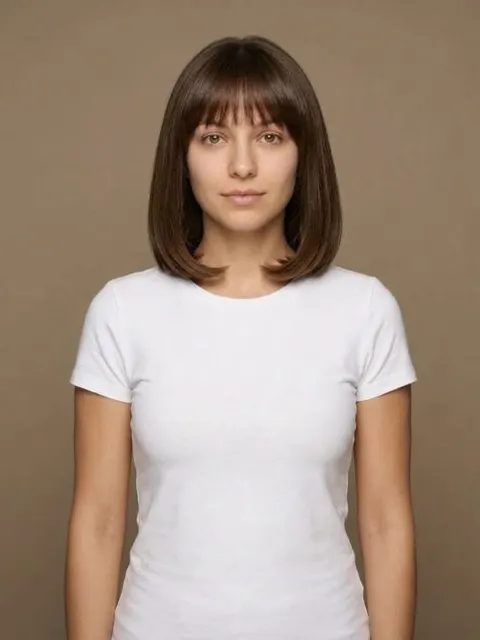
Blunt bobs and lobs
Hair looks thickest at a clean, blunt edge. Every layer you add takes some weight off the bottom, and on thin hair the bottom is where you need it. A bob between the chin and jaw, or a lob at the collarbone, gives you the densest-looking ends with the least effort. Ask for it cut with scissors, dry or nearly dry, so the line stays crisp.
Layers, carefully
Layers aren’t banned. They just need to be few and placed with a reason. A handful of long layers around the face or a few internal layers at the crown can add lift without thinning out the ends. Ask for “a few long layers, keep the perimeter heavy.” If a stylist reaches for thinning shears, it’s fine to ask them not to.
Bangs as a volume trick
Bangs borrow hair from the top and put it at the front, where it reads as fullness. Curtain bangs are the safest bet because they blend into the sides. A full fringe works if your hair is dense at the front.


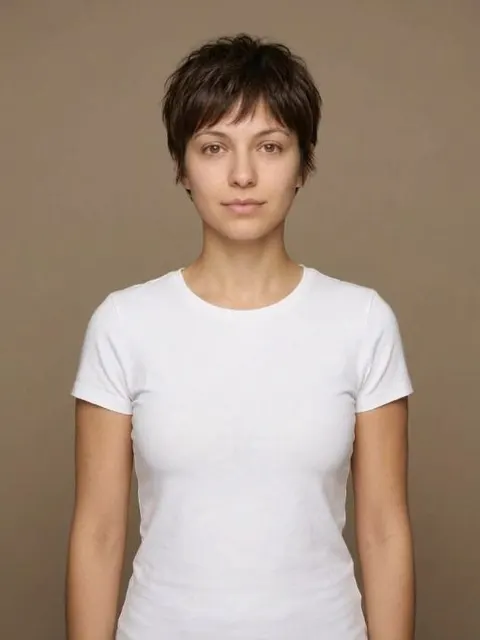
Short: the pixie
A textured pixie cut is one of the best moves for very thin hair, because short hair has less weight pulling it flat. It needs a trim every 4 to 6 weeks to keep its shape.
What to avoid
- Too many layers. The ends turn see-through. This is the most common mistake.
- Razor-cut ends. A razor tapers each strand to a point, so the ends look wispy and sparse. Ask for scissors.
- Heavy thinning or “debulking.” Thin hair has no bulk to spare.
- Very long one-length hair. Past the shoulder blades, weight pulls fine hair flat at the root and the ends get thin.
- Center parts on a visible part line. Try a slightly off-center or zigzag part to hide scalp at the part.
Color that adds depth
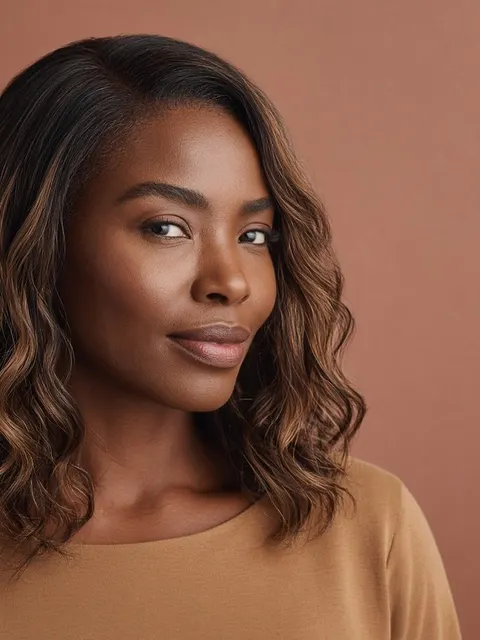
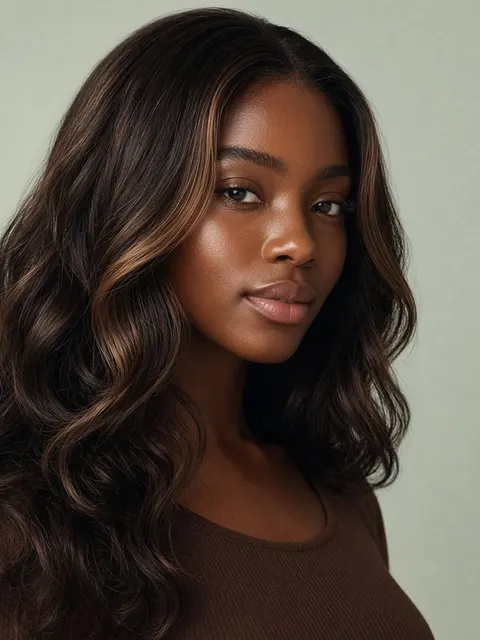
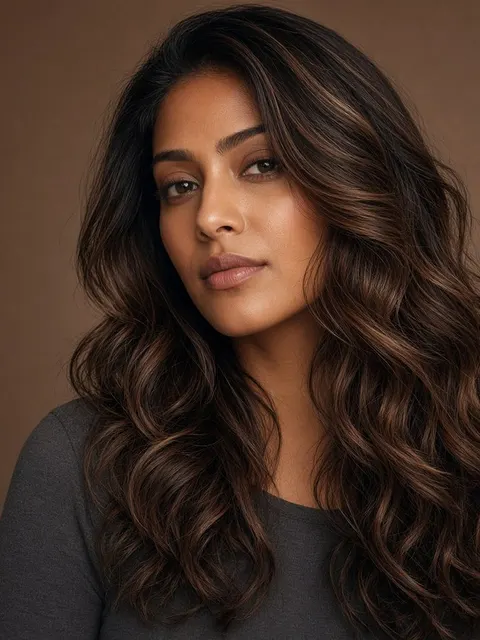
Flat, single-tone color shows every gap. A little dimension, a mix of light and dark, gives the eye more to read and makes hair look thicker. Babylights or soft highlights near the face work well. A shadow root (slightly darker at the scalp) helps hide the part line, especially on lighter hair.
Styling for lift
- Volumizing mousse or root spray on damp roots, not on the lengths.
- Dry roots first. Flip your head upside down or lift sections with your fingers before drying the ends.
- Light conditioner, ends only. Rich conditioners and oils weigh fine hair down.
- Dry shampoo at the roots even on clean hair. It adds grip and lift.
- Loose waves add width. Tight, sleek styles show more scalp.
Thin hair for men
The same logic applies: shorter sides make the top look fuller, and texture hides the scalp better than a smooth, combed finish.
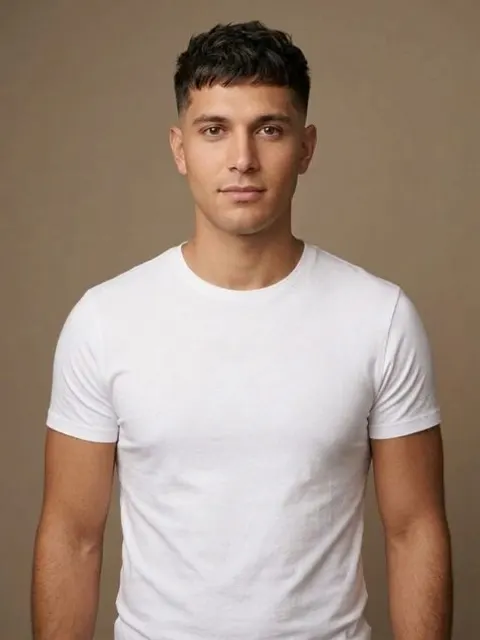
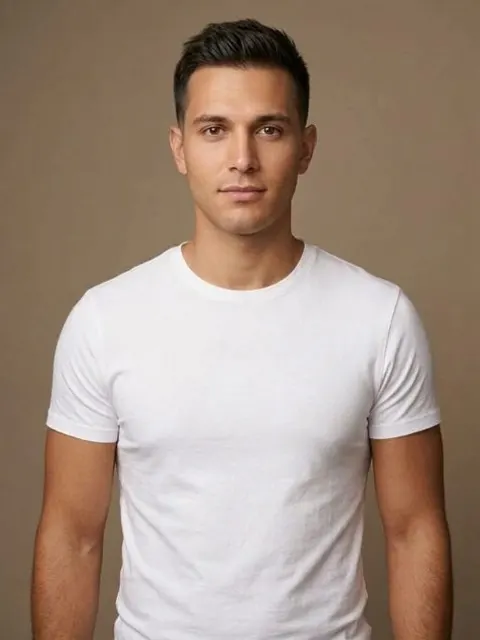
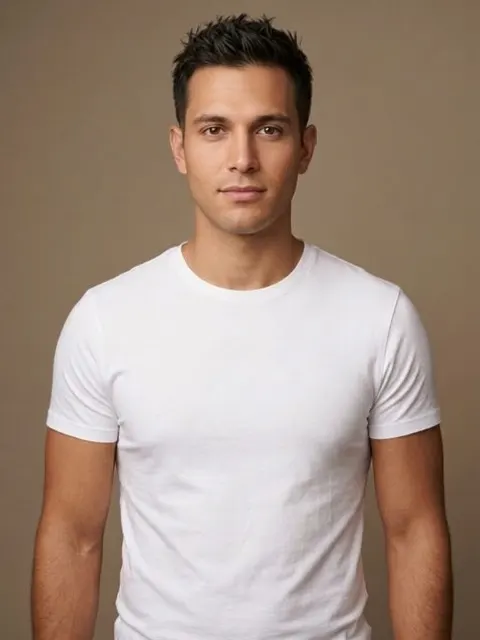
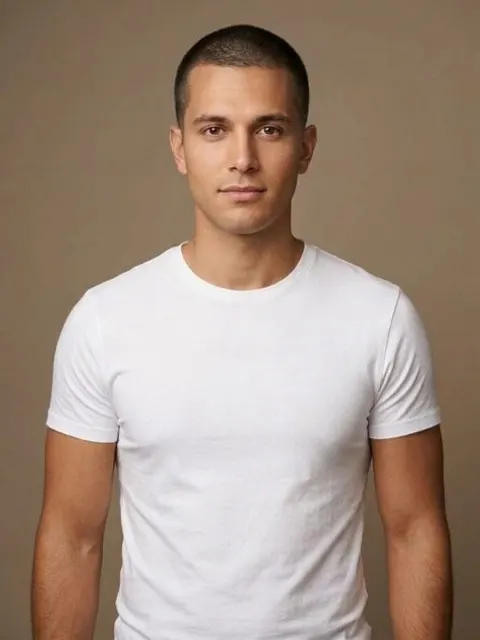
Avoid long, flat styles and slick-backs: shine and separation show the scalp. Matte clay or paste beats gel or pomade on fine hair. If thinning is happening at the temples, our guide to receding hairline haircuts goes further.