 Hairset
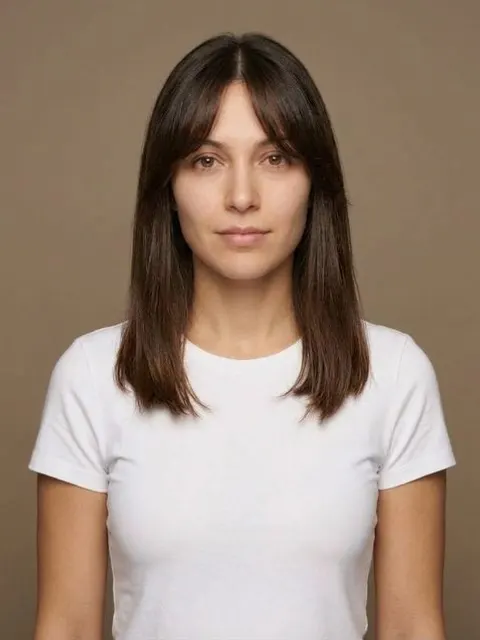
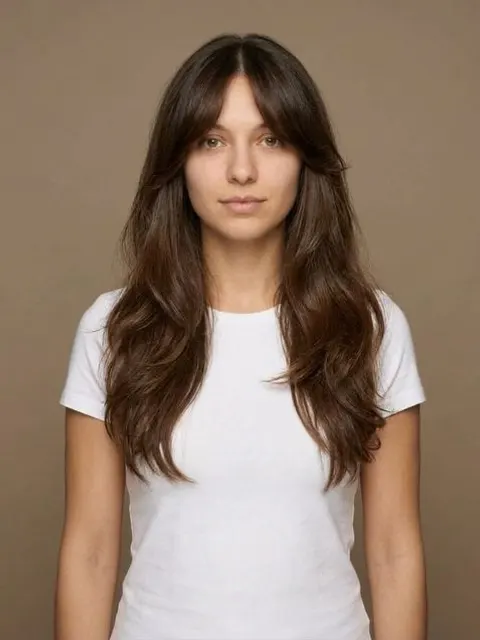
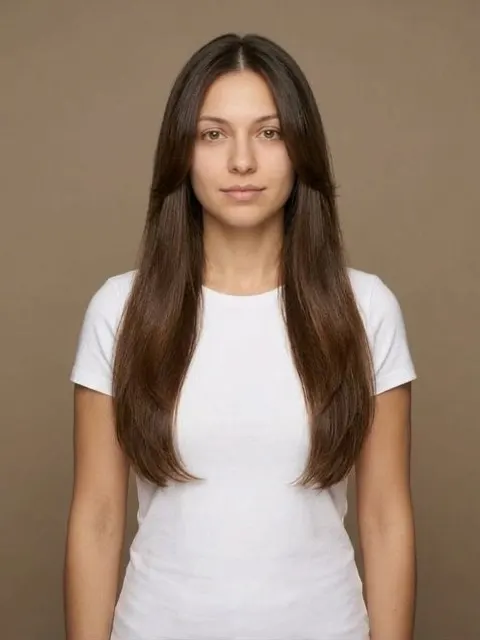
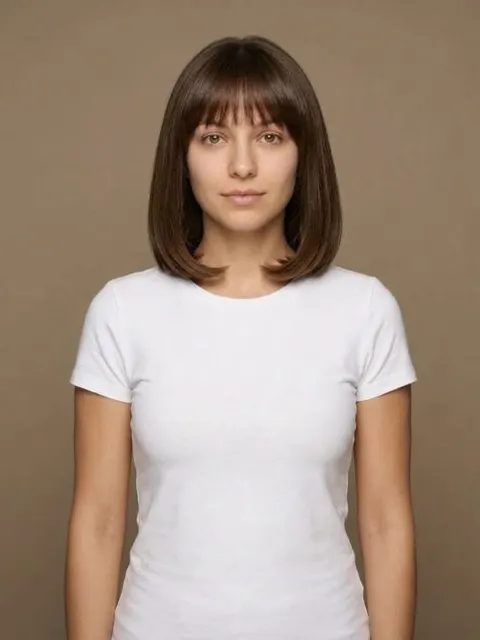
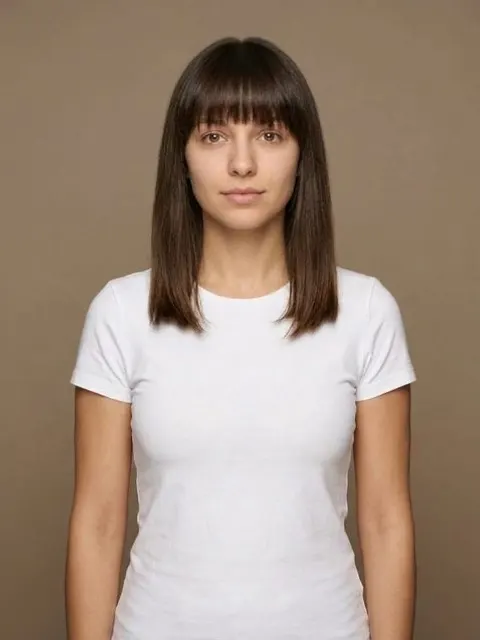
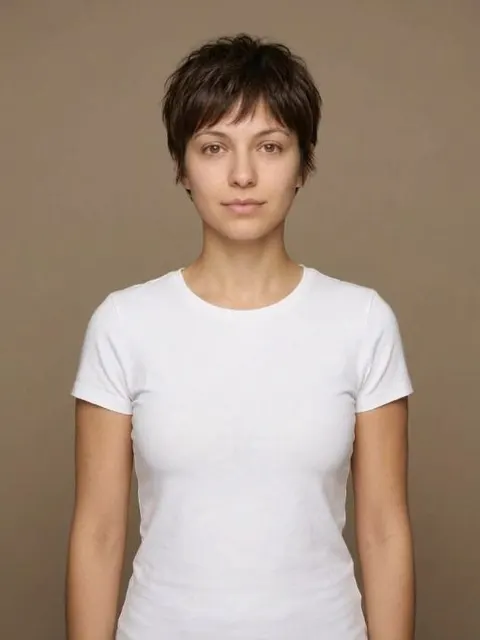
The six face shapes at a glance
Face shape comes down to two things: how long your face is compared with how wide it is, and where the widest point sits. Every haircut rule follows from that. A cut either adds width, adds height, or covers a corner, and the right one does it where your face has the least.
| Shape | How to recognise it | What the cut should do |
|---|---|---|
| Oval | Longer than wide, widest at the cheekbones, softly rounded jaw | Almost anything. Choose by hair texture and upkeep, not by shape |
| Round | About as long as wide, full cheeks, soft jawline | Add height or a vertical line, keep width away from the cheeks |
| Square | Forehead and jaw about the same width, strong angular jaw | Soften the corners with layers and movement, or keep them sharp on purpose |
| Heart | Widest at the forehead, narrowing to a small chin | Take attention off the top, add width around the chin |
| Oblong | Clearly longer than wide, straight sides, similar widths top to bottom | Add width at the sides, stop adding height, consider bangs |
| Diamond | Wide, high cheekbones with a narrower forehead and chin | Add a little width above and below the cheekbones |
How to find your face shape
- Pull your hair back and face a mirror or your front camera straight on, in even light.
- Compare the length of your face (hairline to chin) with its width at the cheekbones. Close to equal points to round or square. Clearly longer points to oval or oblong.
- Find the widest point: forehead (heart), cheekbones (oval, round or diamond) or jaw (square).
- Look at the jawline. Angular corners mean square. A soft curve means round or oval. A narrow point means heart or diamond.
Most people sit between two shapes, and that’s fine: read both pages and take the advice that shows up in each. If you’d like a second opinion, the face shape calculator works it out from four measurements, and the haircut quiz turns the answer into a shortlist. Growing a beard changes the lower half of the picture, so men should also read beard styles for face shape.