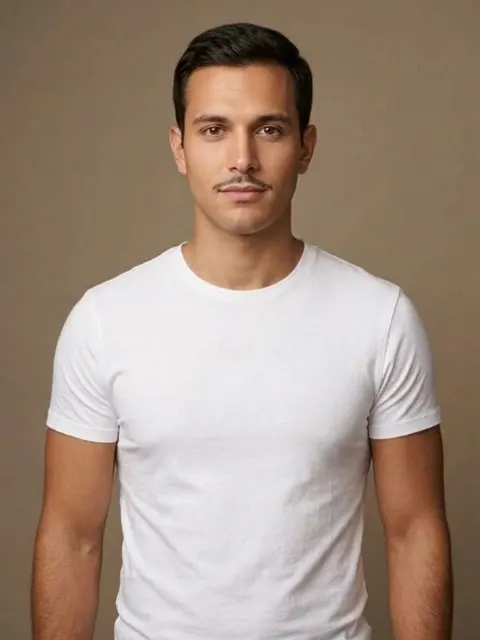
Beard styles: 30 shapes, from stubble to a full beard
Thirty beard styles, grouped the way a barber thinks about them: how much hair, and where it goes. Each one shows what it does to a face and how much work it asks of you.
Three questions decide it. What does your face need? Length at the chin makes a face look longer; fullness at the sides makes it look wider. What does your beard actually grow? A style that needs dense cheeks won’t work if your cheeks are thin. How much time will you give it? A line-up every 10 days and a daily oil are a real commitment.
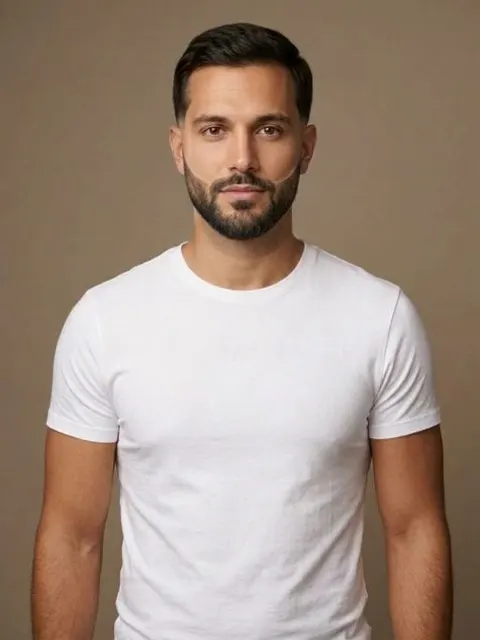
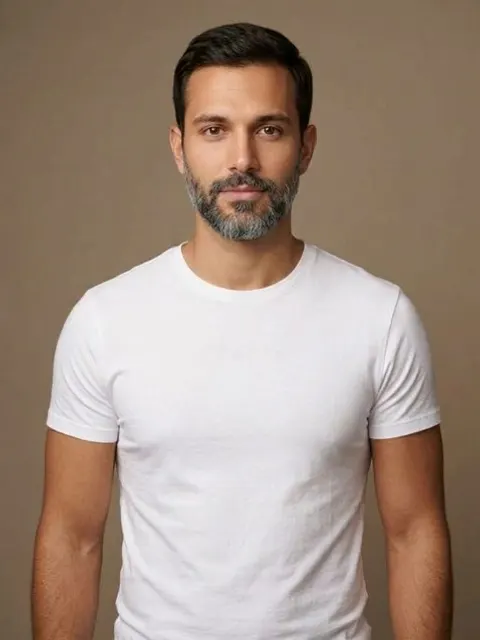
The lowest-commitment options, and the most flattering on most faces. Stubble sharpens the jawline and hides patchiness. The difference between the styles is length: light stubble is about 1 to 2 mm, heavy stubble 4 to 5 mm, and designer stubble is heavy stubble with a clean neckline and cheek line.
Enough beard to change your face, short enough for any office. These live at roughly 6 to 15 mm with defined lines. They need a weekly tidy of the neckline and cheeks to stay sharp, and a barber every couple of weeks if the sides are faded.
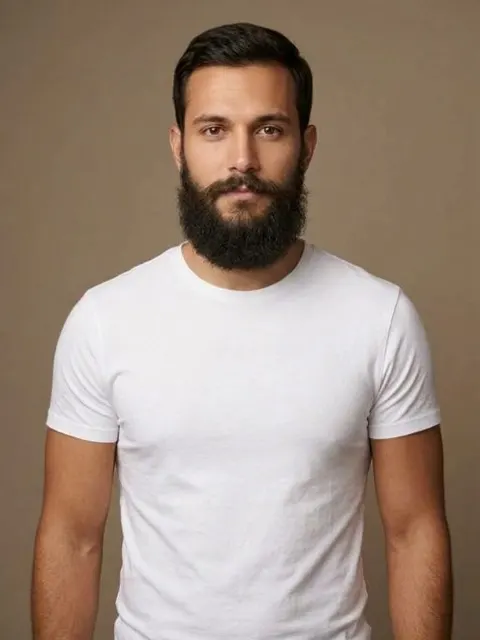
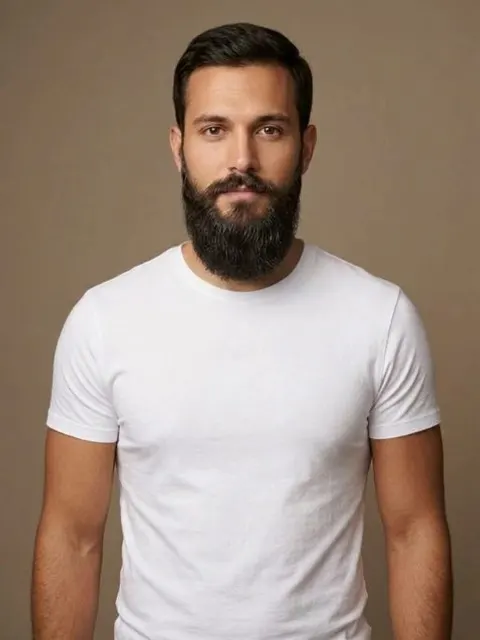
These take two to three months of growth, and the first six weeks are the hardest. They add weight to the lower face, which is why they suit long, heart-shaped and diamond faces so well. Daily beard oil and a trim every two to three weeks keep them from looking neglected.
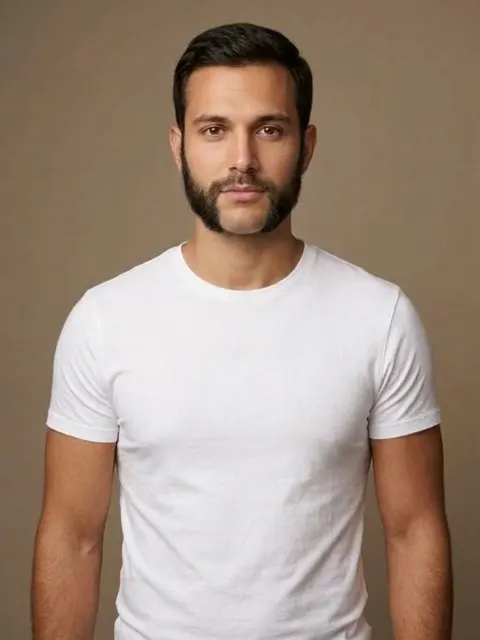
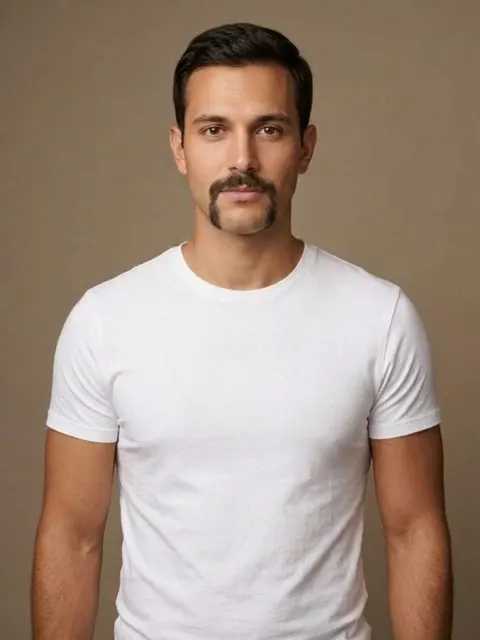
All the hair around the mouth and chin, cheeks clean. These are the best answer for a round face (they add length) and for beards that don’t grow well on the cheeks. They also need the most precise trimming: the edges are the whole style.
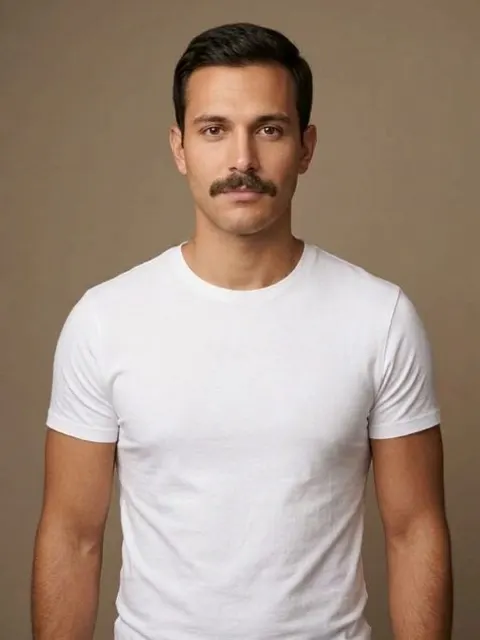
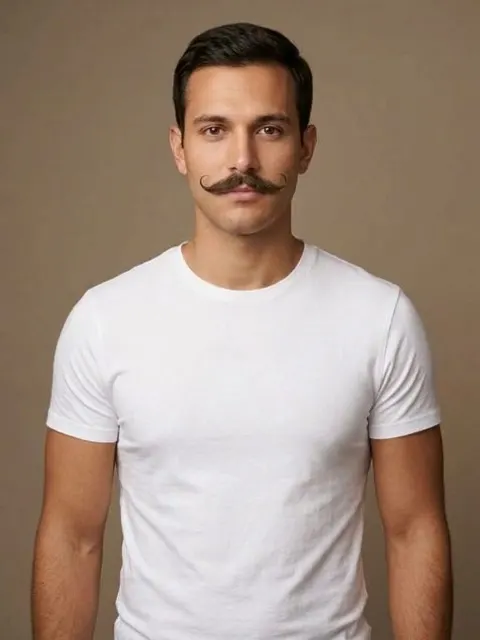
A mustache with no beard is the boldest choice on this page. A horizontal line across the face breaks up length, so it works especially well on long faces. Most need 4 to 8 weeks to reach a shape you can style, and the fancier ones (handlebar, pencil) need wax and a steady hand.
Don’t shape anything for the first 4 weeks. Only tidy the neckline. Hair grows unevenly at first, and early trimming is how beards end up lopsided.
Set the neckline about two fingers above your Adam’s apple. Shave below it. Too high, tight under the jaw, is the most common mistake.
Leave the cheek line mostly natural. Clean up strays above it; don’t carve it down.
Oil daily once the beard passes about 1 cm. It stops the itch and the flaky skin underneath.
Trim the mustache off your lip. Whatever the style, the upper lip should be visible.
Patchy? Stay at heavy-stubble length, or pick a style that skips the cheeks (goatee, Van Dyke, anchor).
Pairing a beard with a new cut? See the men’s haircuts guide, or go straight to the low taper fade, which works with almost every beard on this page.
Questions people ask
What beard style suits me?
It depends on your face shape and what your beard grows. Round faces suit goatees and pointed beards that add length; long faces suit fuller sides and a shorter chin; heart and diamond faces suit fuller beards at the jaw. Oval and square faces can wear most styles.
What is the most attractive beard length?
For most faces, heavy stubble around 4 to 5 mm. It sharpens the jawline, hides patchiness and needs only a weekly trim.
How long does it take to grow a full beard?
Usually 2 to 3 months for a full beard of about 4 to 5 cm. Most beards look patchy at two weeks and fill in noticeably between weeks four and six.
Is there a beard filter that shows a real beard on my face?
Hairset’s Beard Studio renders a photoreal beard on your own selfie rather than overlaying a sticker, so you can see how a goatee, stubble or full beard would actually look on your jaw.
What beard is best for a patchy beard?
Keep it short, at heavy-stubble length, or choose a style that skips thin cheeks, such as a goatee, Van Dyke or anchor beard. Brushing daily also helps hairs cover more skin.
 Hairset