 Hairset
What actually changes after 50
Ignore advice about what’s “age-appropriate.” Long hair at 60 can look wonderful. The useful questions are practical ones, because hair often behaves differently than it used to:
- Texture. Many women find their hair gets coarser, drier or wavier, especially grey strands, which are often wiry.
- Density. Hair often thins a little overall, or at the part and temples.
- Color. Grey grows in, and full-coverage dye shows a harsh root line faster against it.
- Time. Some people want less styling. Others finally have time for more. Both are fine. Pick a cut that matches yours.
Your face shape matters more than your age. If you’re not sure what yours is, the face shape calculator takes about a minute.
Short: pixies and crops
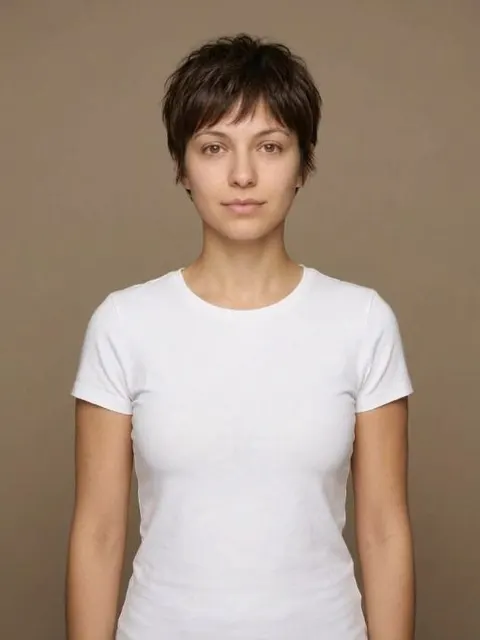
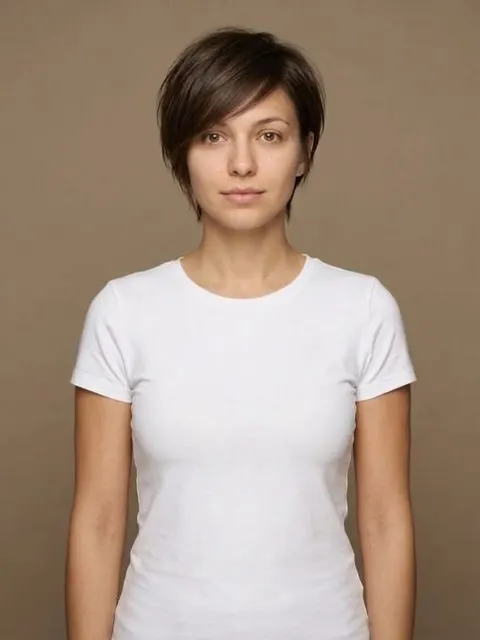
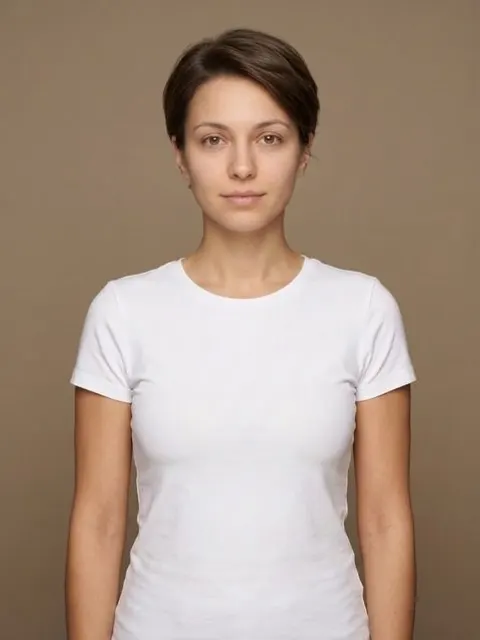
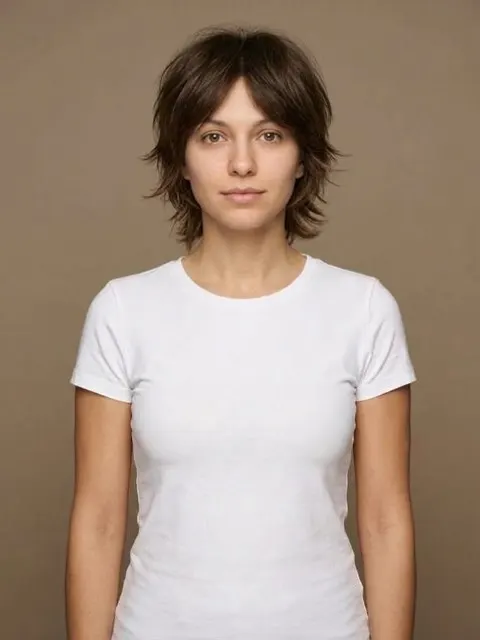
A pixie cut is the least work you can have, with a trim every 4 to 6 weeks. Texture is key: a soft, choppy pixie looks modern, while a very rounded, set shape can look dated. If short feels like a big jump, the bixie gives you a test run.
Bobs: the most forgiving shape
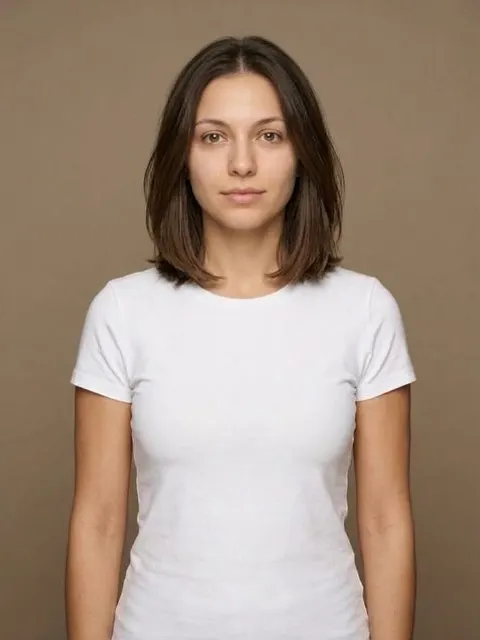
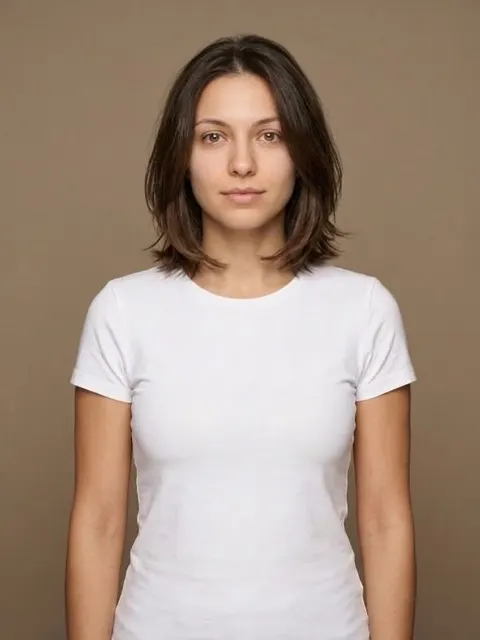
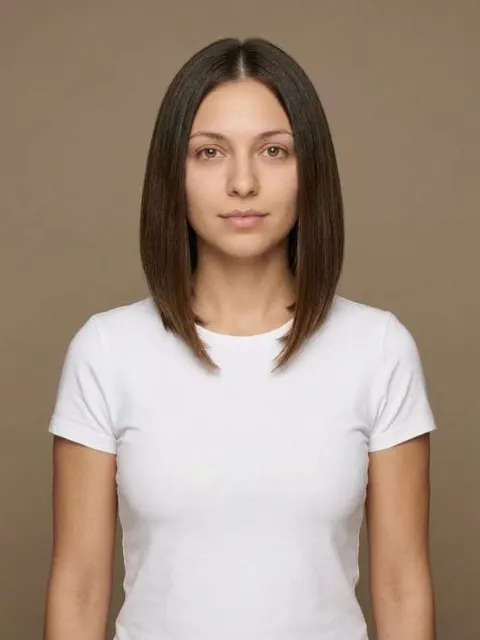
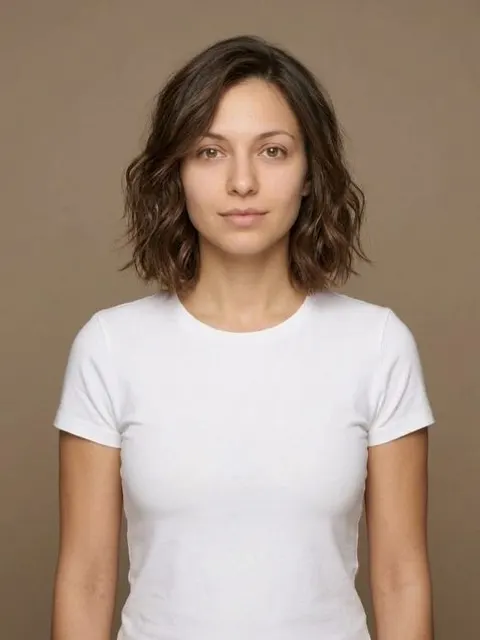
A bob suits nearly every face and every texture. On thinner hair, keep the ends blunt so it looks dense. On thick or coarse hair, ask for internal layers so it doesn’t puff into a triangle.
Medium: lobs and shoulder layers
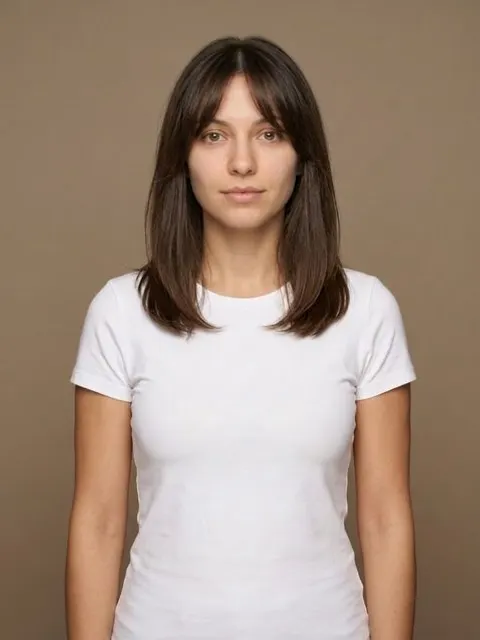
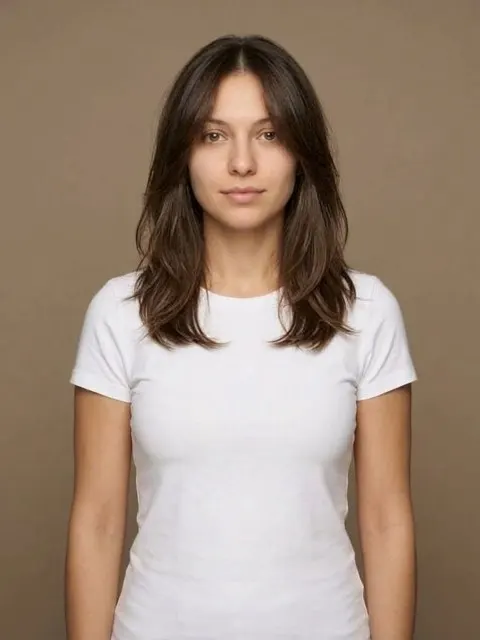
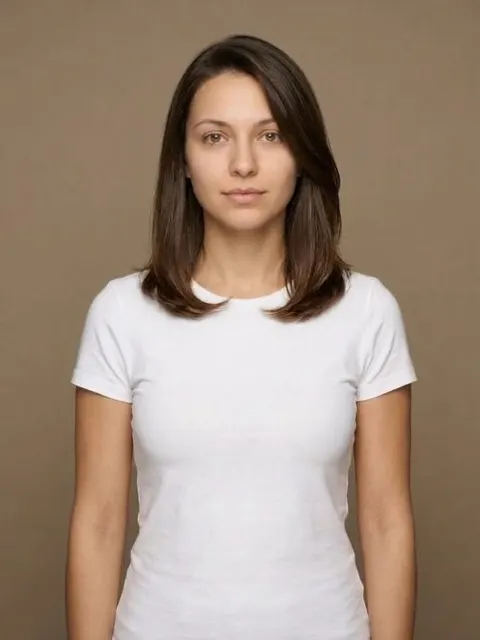
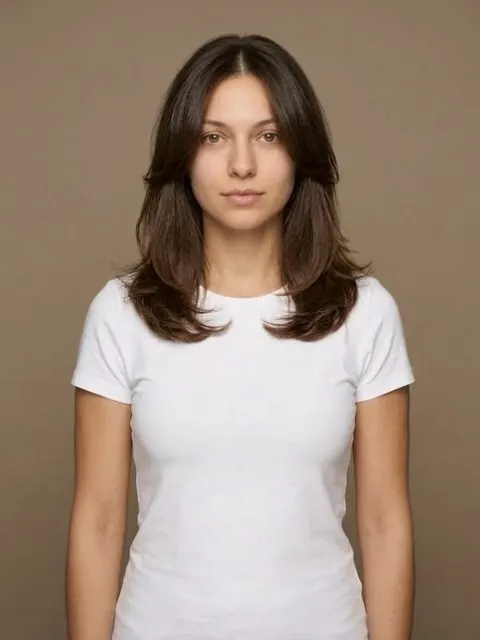
Medium length is where most women land, and for good reason. You keep options (ponytail, half-up, down) without the weight that pulls long hair flat. Add face-framing layers around the cheekbones and the cut does a lot of the work of makeup: it brightens and lifts.
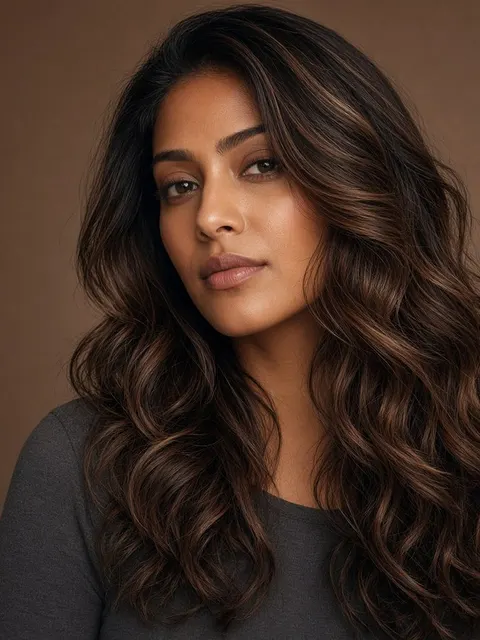
Long hair, if you love it
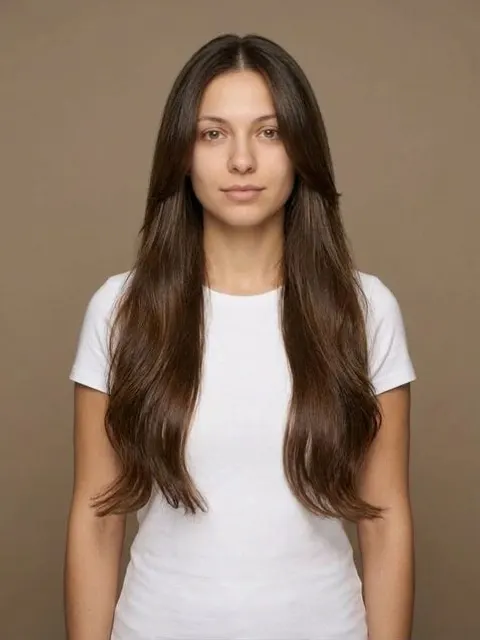
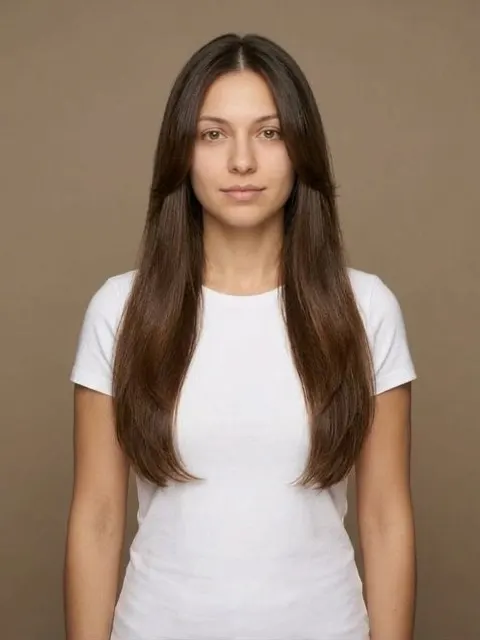
Keep it. Just keep it healthy: regular dustings, long layers so it moves, and some face-framing pieces so it doesn’t hang straight down. If hair has thinned, a U-shaped hemline keeps the ends looking thick.
Bangs: an easy refresh
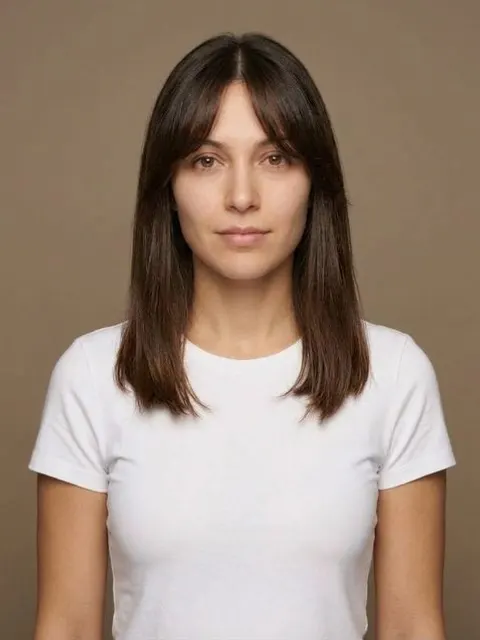
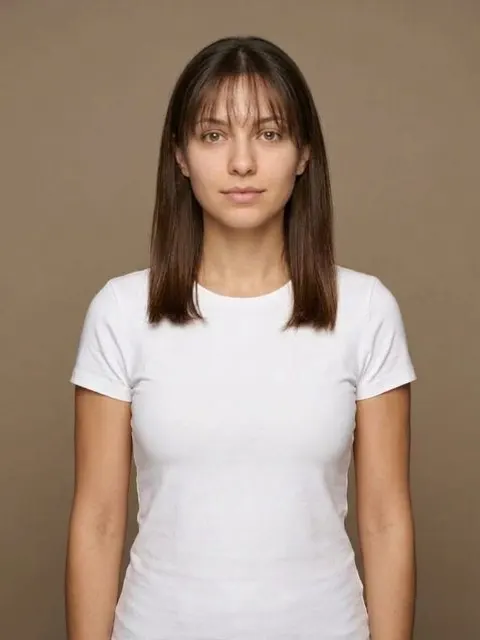
Soft curtain bangs are one of the simplest changes you can make. They frame the eyes, soften forehead lines and grow out without an awkward phase. Wispy bangs work too. Heavy blunt fringes are harder to keep neat if your hair has become wavier.
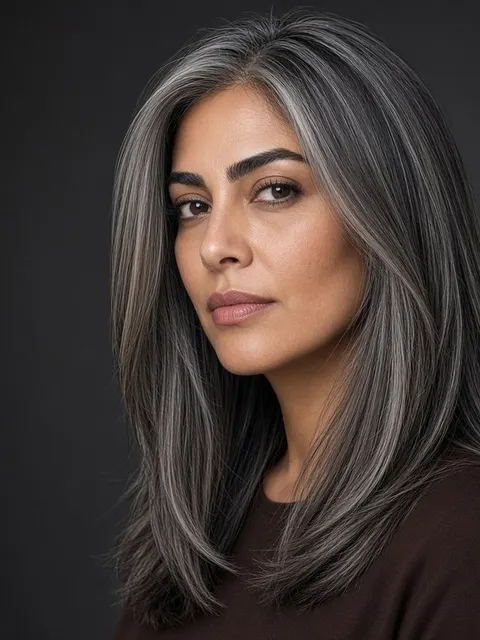
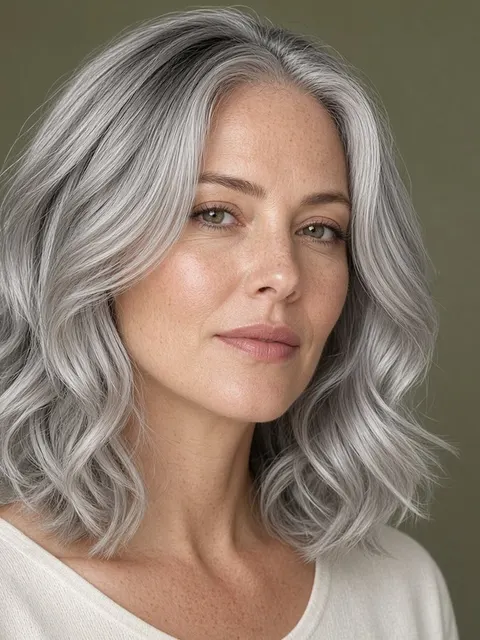
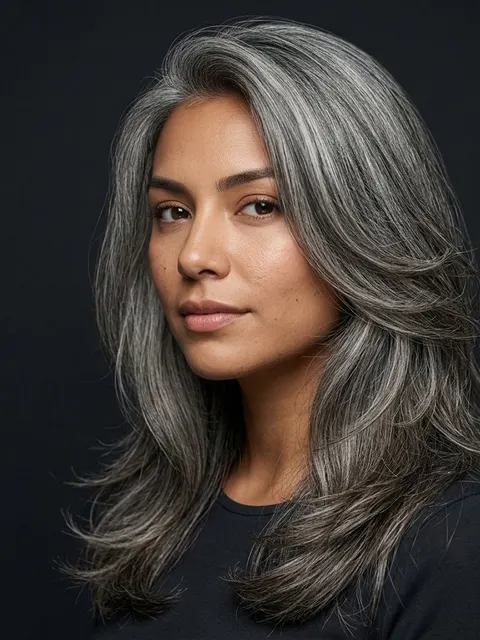
Going grey, blending, or covering
There’s no right answer, only a maintenance question. Full-coverage dye looks great for two to three weeks, then the grey root line shows. The softer options grow out more gracefully:
| Approach | How it works | Salon visits |
|---|---|---|
| Grey blending | Highlights and lowlights mixed through so grey looks like part of the color. | Every 8–12 weeks |
| Lowlights | Darker strands added to grey or blonde hair to bring back depth. | Every 8–10 weeks |
| Full coverage | One color over everything. The most uniform, the most visible regrowth. | Every 4–6 weeks |
| Going fully grey | Grow it out, often with a shorter cut to speed it up. | Cuts only |
For picking a shade that suits your skin, see our guide to hair color for your skin tone.