 Hairset
Skin tone and undertone are not the same thing
Skin tone is how light or deep your skin is. Undertone is the color underneath it: warm (golden, peachy, yellow), cool (pink, red, blue) or neutral (a mix of both). Two people with the same tone can have opposite undertones, which is why the same shade of auburn looks glowing on one and sallow on the other.
Undertone doesn’t change with a tan or a sunburn. Tone does. So when you pick hair color, undertone does most of the work and tone decides how much contrast you can carry.
How to find your undertone
Do these in daylight, near a window, with no makeup on and no colored top near your chin. Indoor bulbs are usually yellow and will push every test toward warm.
- The white and cream test. Hold a pure white sheet of paper or a white T-shirt under your face, then a cream or off-white one. If bright white makes you look washed out and cream looks kinder, you’re probably warm. If cream makes you look yellow and white looks crisp, you’re probably cool. If both look fine, you’re likely neutral.
- The jewelry test. Gold flatters warm skin; silver and platinum flatter cool skin. If you’ve always reached for one without thinking about it, that’s useful information.
- The vein test, with a caveat. Look at the veins on the inside of your wrist. Greenish suggests warm, blue or purple suggests cool. It’s the most famous test and the least reliable, because vein color also depends on how thick and light your skin is. Treat it as a tiebreaker, not a verdict.
- The sun test. If you tan easily and rarely burn, lean warm. If you burn first and tan later (or never), lean cool.
Depth vs. tone: the two numbers your colorist uses
Colorists describe hair on a scale of levels from 1 to 10: level 1 is black, level 5 is light brown, level 7 is dark blonde, level 10 is the palest blonde. That’s depth. On top of depth sits tone: ash (cool), golden or copper (warm), beige or neutral.
Most people pick depth by instinct (“I want to go lighter”) and ignore tone. That’s backwards. You can go two levels lighter and still look like yourself if the tone is right. Go one level lighter in the wrong tone and the change looks like a mistake.
A safe rule: stay within 2 levels of your natural depth for a natural result. Bigger jumps can work, but they need more upkeep and more contrast in your face (strong brows, defined eyes) to carry them.
Best hair colors for warm undertones
Warm skin glows next to gold, honey, copper and caramel. Look for words like golden, honey, copper, warm and caramel on the swatch.
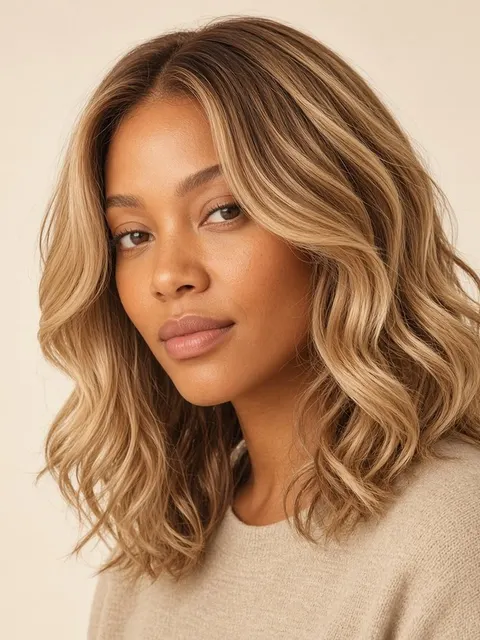
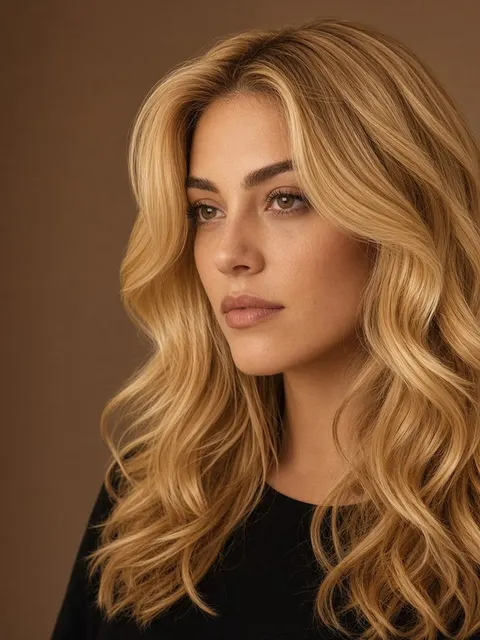
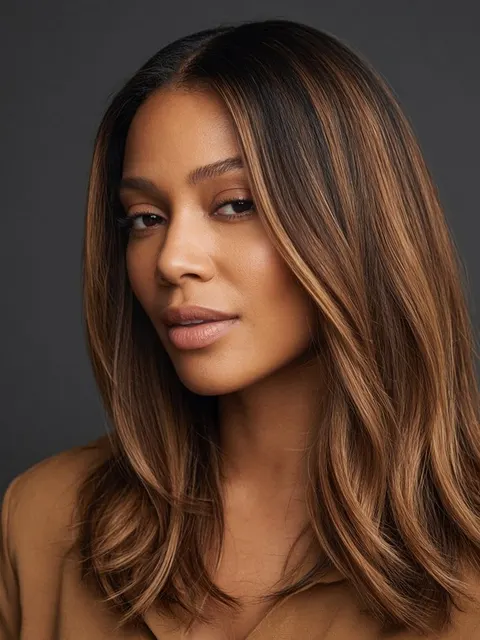
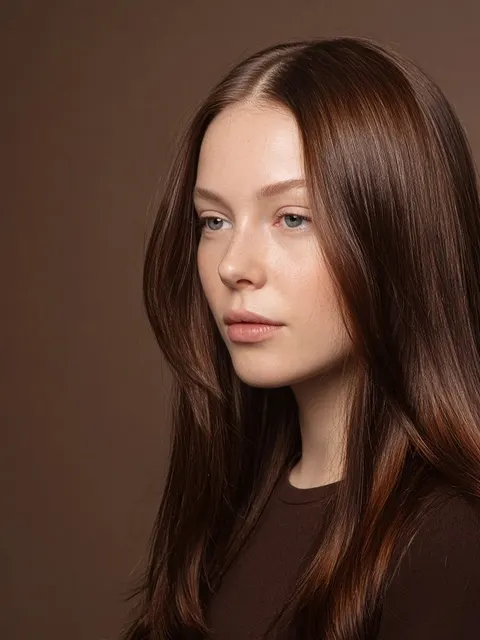
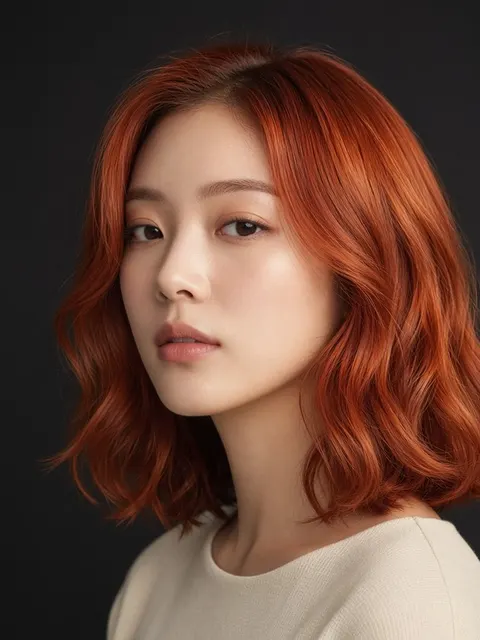
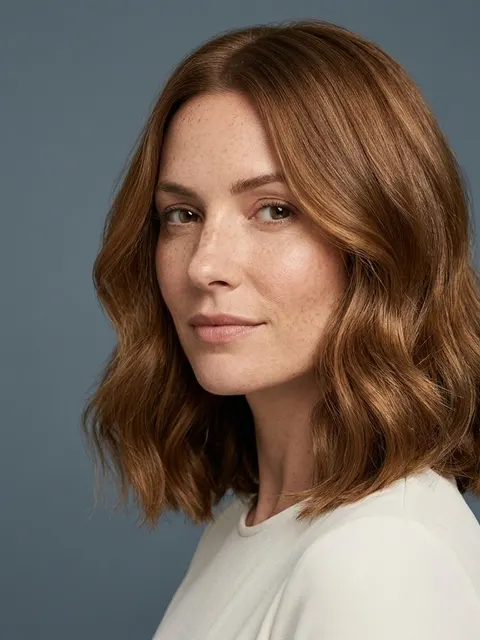
What to be careful with: icy platinum, ash brown and blue-black. They pull the warmth out of your skin and can leave it looking flat or slightly grey. If you love a cool shade, ask for it one step warmer (a beige blonde instead of an ash blonde, for example).
Best hair colors for cool undertones
Cool skin looks clear next to ash, beige, platinum, cool browns and blue-based reds. The swatch words to look for are ash, cool, icy, pearl and burgundy.
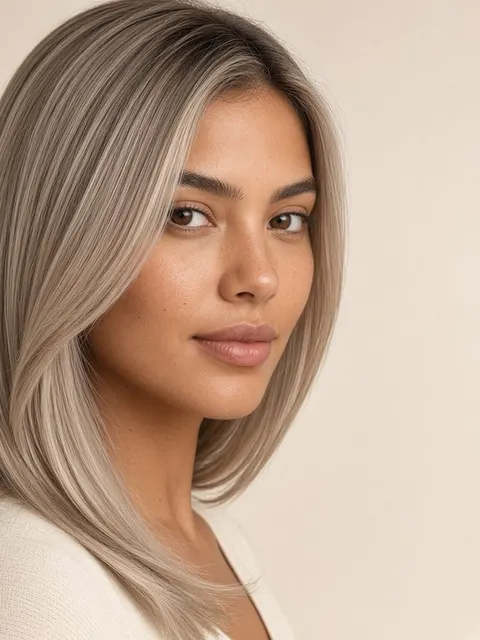
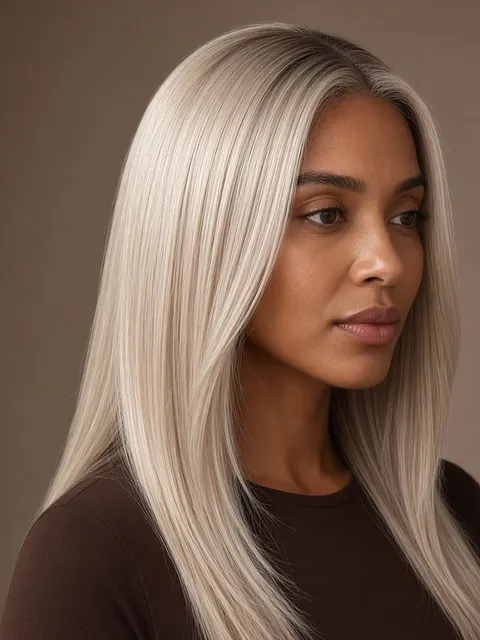
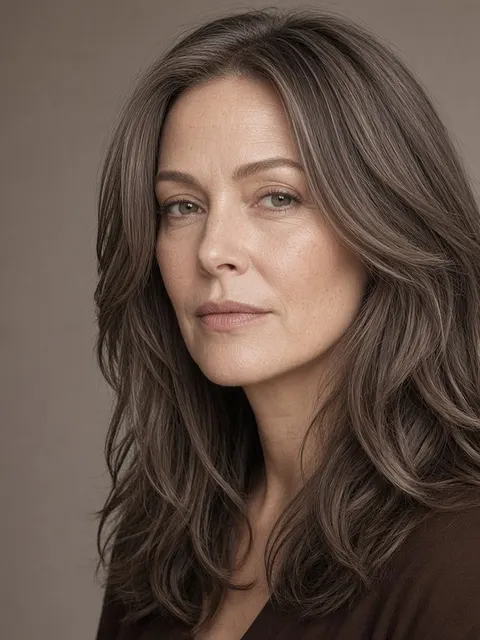
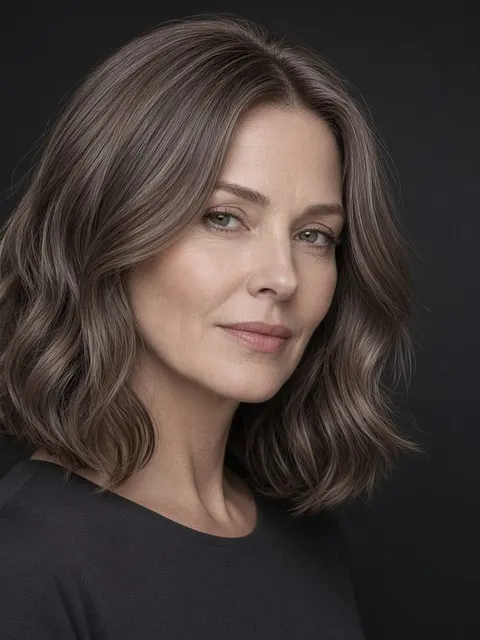
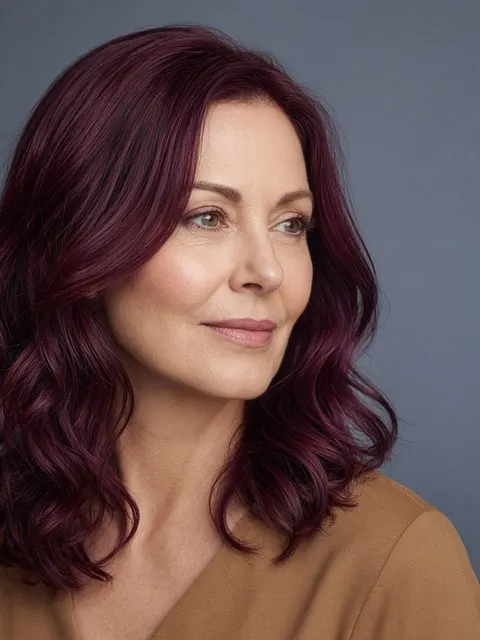
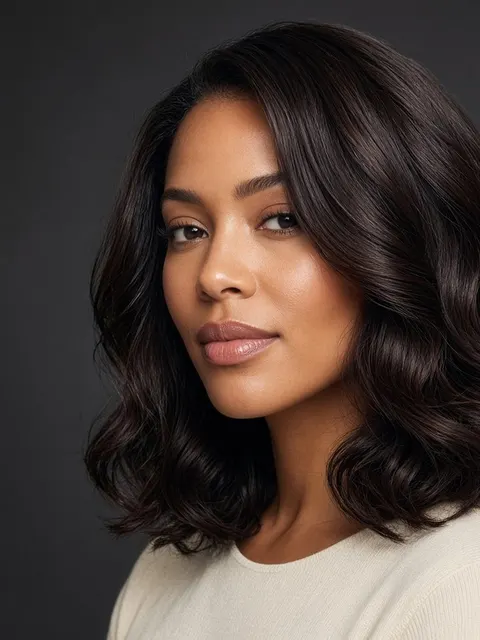
What to be careful with: golden blonde, copper and orange-leaning auburn. On cool skin they can bring out redness around the nose and cheeks. If you want red, go burgundy or mahogany instead.
Best hair colors for neutral undertones
Neutral skin has the most room to play. You can wear a little warmth or a little coolness, so the deciding factors become your eyes, your brows and how much upkeep you want.

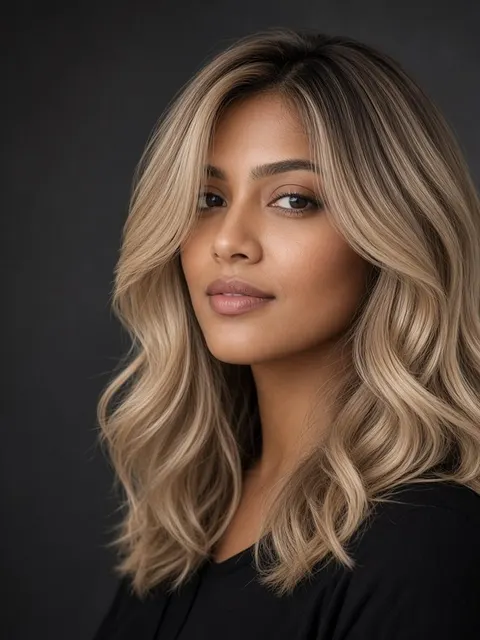
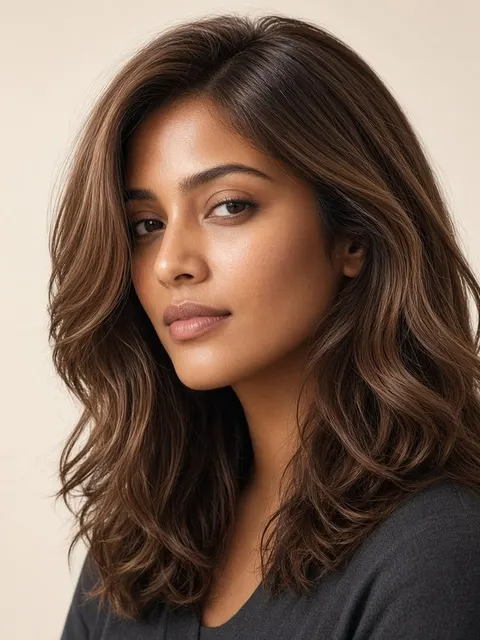

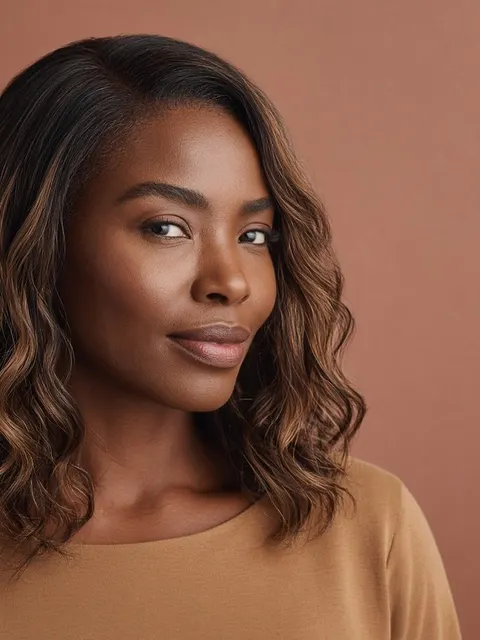
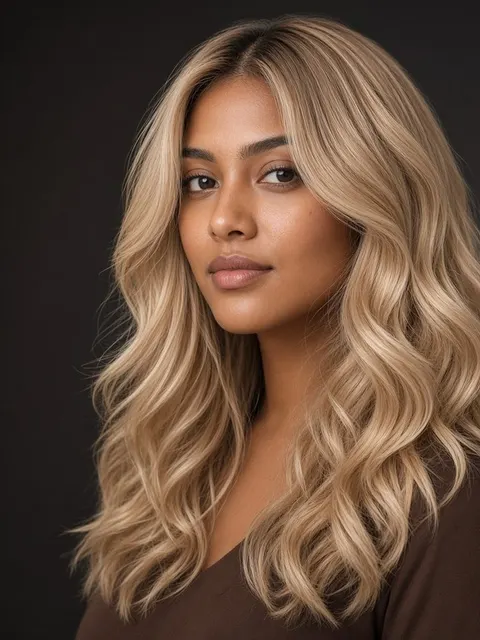
Quick reference: undertone, best shades, shades to approach carefully
| Undertone | Usually flattering | Approach carefully |
|---|---|---|
| Warm | Honey and golden blonde, caramel, chestnut, copper, auburn, warm chocolate | Ash blonde, platinum, ash brown, blue-black |
| Cool | Ash and beige blonde, platinum, ash and mushroom brown, burgundy, dark chocolate, jet black | Golden blonde, copper, orange-leaning auburn |
| Neutral | Bronde, beige blonde, mocha, hazelnut, soft caramel, babylights | Very extreme shades in either direction |
| Olive | Rich browns, bronde, soft caramel, mahogany | Very ashy blondes, flat jet black |
Your eyes and brows matter too
Hair color sits between your skin and your eyes, so it changes how both read. Warm shades (copper, honey) make green and hazel eyes look greener. Cool shades (ash, platinum) make blue and grey eyes look brighter. Dark brown eyes can carry almost any depth, but they look most striking with some contrast, either a rich dark shade or face-framing brightness.
Brows are the part people forget. If you go more than 3 levels lighter than your natural brows, your face can look unfinished. Either tint the brows a shade lighter, or keep the lightest pieces away from your face and put them through the lengths instead.
Color seasons, briefly
Color-season analysis groups people into spring, summer, autumn and winter based on undertone, depth and contrast. Roughly: spring is warm and light (honey, strawberry blonde), summer is cool and soft (ash, beige, mushroom), autumn is warm and deep (copper, chestnut, auburn), winter is cool and high contrast (jet black, dark chocolate, platinum, burgundy).
It’s a useful shortcut, not a rule. The Hairset app reads your color season from a selfie and shortlists shades for it, which is a quick way to see where you land before you book anything.
For men: subtle wins
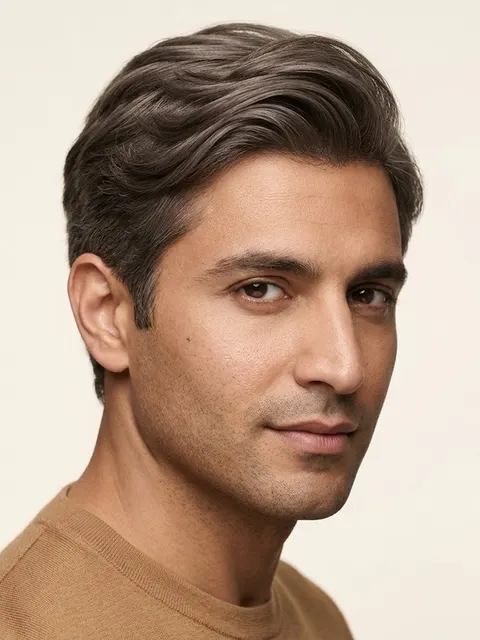
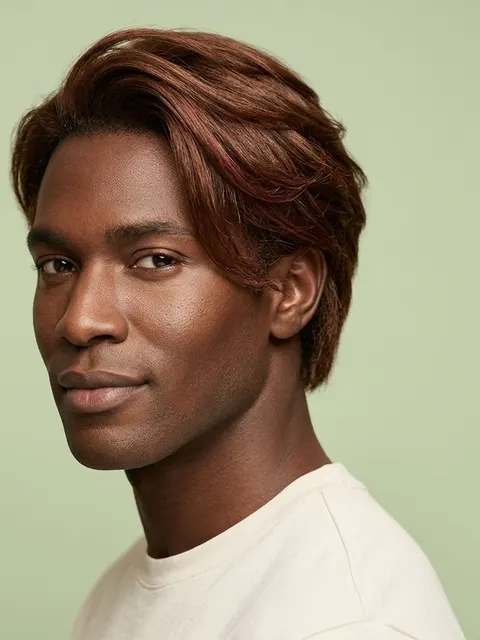
The same undertone rules apply, but most men want a change that doesn’t look like a change. Stay within one level of your natural shade, keep the tone close to your beard, and let the lightest pieces sit on top where the sun would naturally hit.
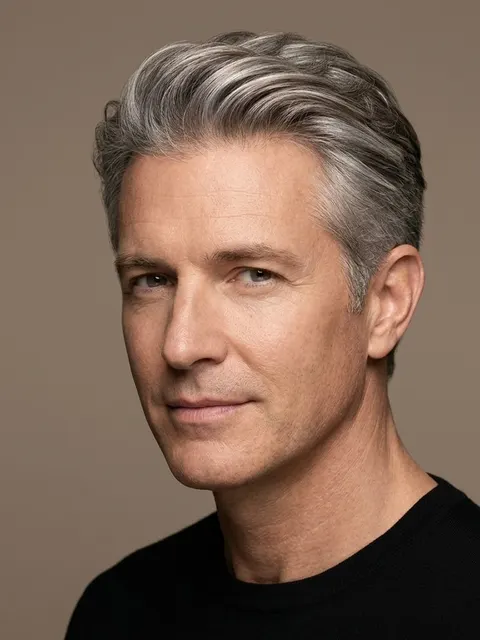
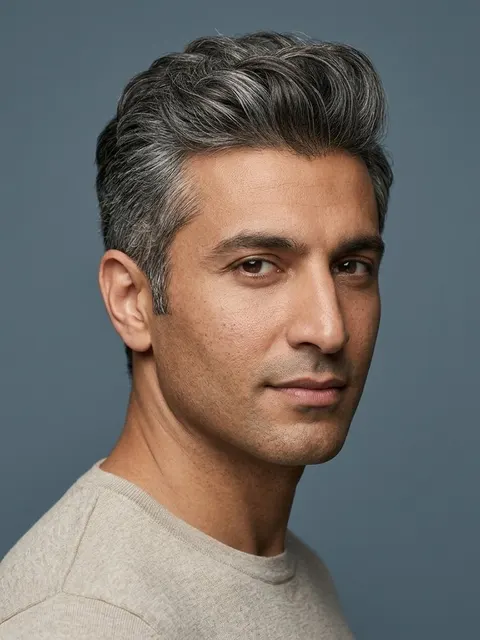
Going grey? You don’t have to choose between covering it all and leaving it. Grey blending softens the contrast so grey reads as silver highlights rather than roots, and it grows out without a hard line. Cool-toned men often look sharp with salt and pepper left as it is.
Before you book
- Take photos of yourself in daylight, not under bathroom lights, and bring them with your inspiration pictures.
- Bring two or three references of the shade on people with your undertone, not just the shade you like.
- Ask your colorist which tone they would add or remove. A good colorist will often adjust a reference half a step warmer or cooler for you.
- Try the shade on your own face with a hair color try-on first. It’s the fastest way to rule out the ones that wash you out.