 Hairset
What balayage actually is
Balayage is French for “sweeping”. The colorist paints lightener onto the surface of the hair by hand, heavier toward the ends and softer near the root. There’s no fixed pattern and no foil packed against the scalp, so there’s no line when it grows out. The result looks like hair that’s been lightened by a summer outdoors.
Because it’s painted, it can be placed where light would naturally hit you: around the face, on the crown, through the ends. That’s also why it looks different on every person.
Balayage vs highlights vs ombré vs babylights
These words get used interchangeably online. They aren’t the same service, and asking for the wrong one is the most common reason people leave unhappy.
| Technique | How it’s done | Look | Grow-out |
|---|---|---|---|
| Balayage | Hand-painted on the surface, soft at the root | Sun-lightened, soft, uneven on purpose | Very soft, 3 to 4 months |
| Highlights | Fine sections woven into foils from the root | Even, brighter, more blonde overall | Visible line after 6 to 8 weeks |
| Ombré | Dark root fading into light ends | Clear two-tone gradient | Soft, but the ends need trimming |
| Babylights | Very fine foils, close to the root | Subtle all-over brightness, like a child’s summer hair | Fairly soft, 8 to 10 weeks |
| Money piece | Brighter pieces only at the front, around the face | Face-framing brightness | Easy to refresh on its own |
In practice, many colorists combine them: balayage through the lengths, a few babylights at the parting so it doesn’t look heavy at the root, and a brighter money piece at the front. That combination is what most “balayage” photos online actually show.
Balayage shades
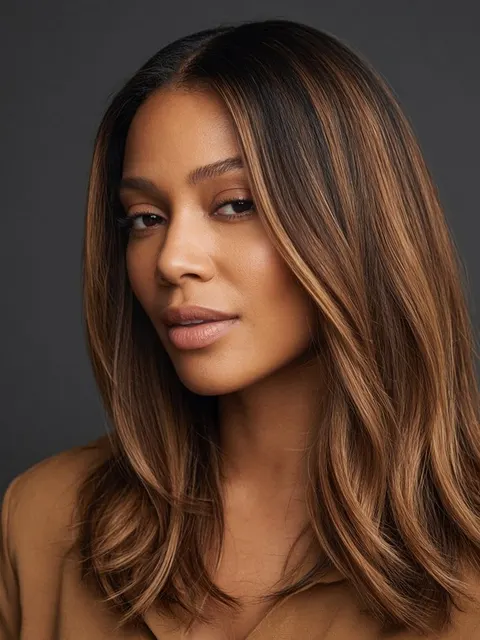
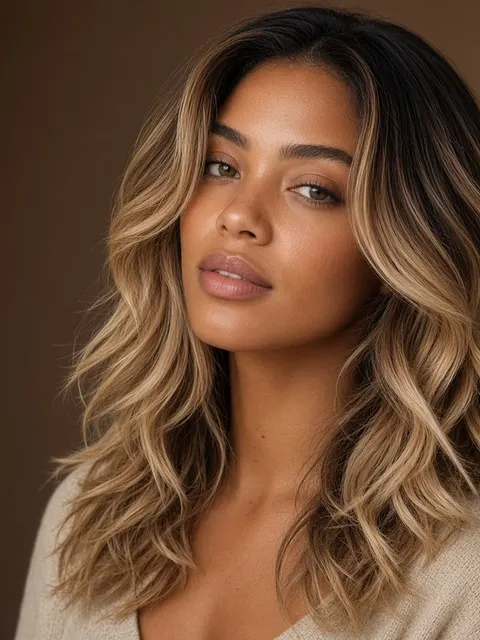
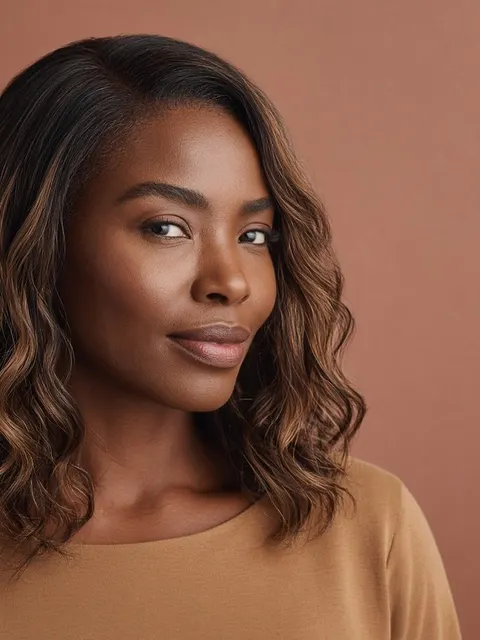
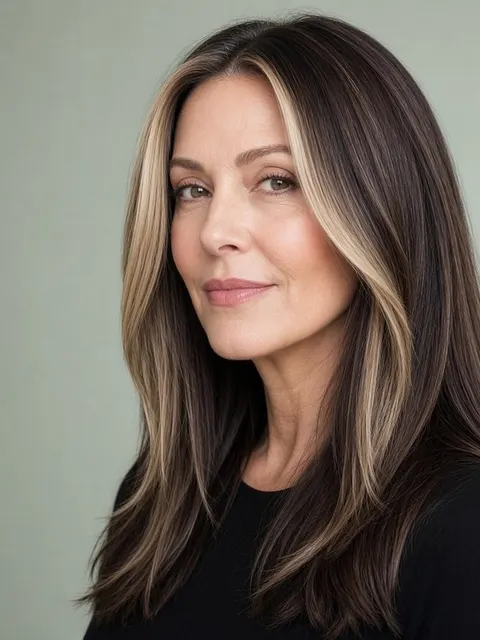
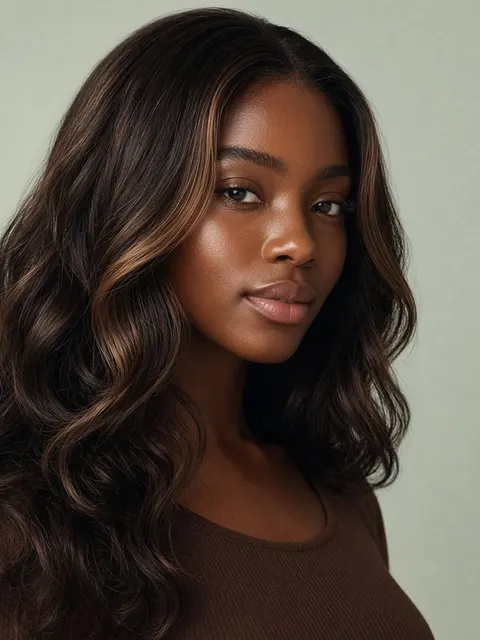
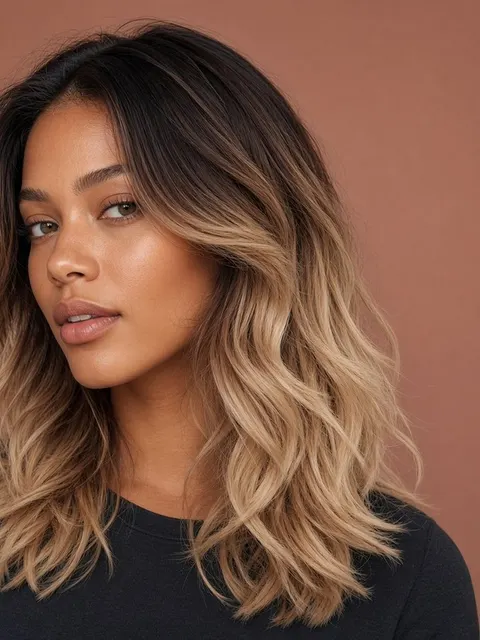
Shade choice follows the same logic as any color: warm undertones look best in caramel, honey and golden tones; cool undertones in beige, ash or mushroom tones. If you’re not sure which you are, the skin tone guide walks you through it.
Who balayage suits
- Anyone who wants low maintenance. It’s the color that forgives skipped appointments.
- Medium to long hair. Balayage needs some length to show the sweep. On a pixie or a short crop it becomes a few bright pieces.
- Wavy and curly hair. Painted color follows the shape of each curl, so it looks especially natural on texture.
- Dark hair that wants to go lighter slowly. You can build brightness over two or three sessions instead of lightening everything at once.
Balayage on dark hair
It works beautifully, with one honest caveat: dark hair goes through orange and gold as it lightens. On black or dark brown hair, caramel, toffee and chestnut tones are usually reachable in one session. A cool beige blonde on dark hair often takes two or more, plus toner to cancel the warmth.
If your colorist suggests going warmer than your reference, it’s usually not upselling. It’s the shade your hair can reach today without breaking. Ask what’s possible now and what’s possible next time.
Time and cost expectations
A first balayage is a long appointment, often three to four hours including toner, cut and blow-dry. It usually costs more than a single-process color because it’s detailed hand work. The trade-off is that you’ll book it far less often than highlights.
Upkeep
- Toner every 6 to 8 weeks. Lightened hair turns brassy over time. A toner or gloss puts the tone back without more lightening.
- Full refresh every 3 to 4 months. Some people stretch it to six.
- Purple shampoo once a week if you’re blonde and want to keep it cool. Skip it if you chose a warm caramel on purpose.
- Bond-building treatment and less heat. Lightened ends are more fragile. A weekly mask and heat protection keep them from snapping.
How to ask for balayage
Bring two or three photos, and one photo of what you don’t want. Saying “not stripy” or “not this blonde” is often more useful than another inspiration shot.
Balayage for men
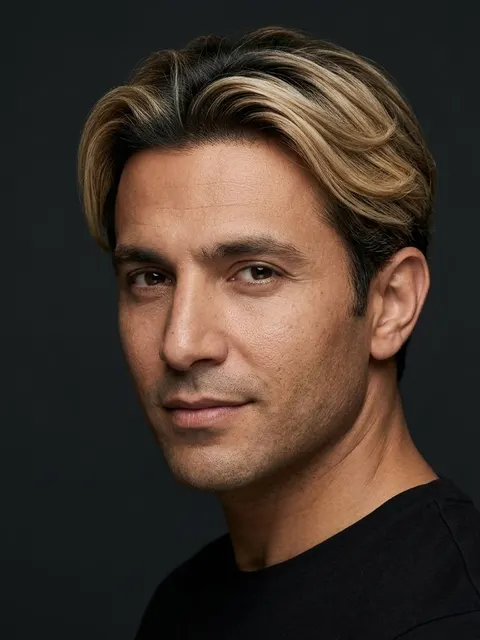
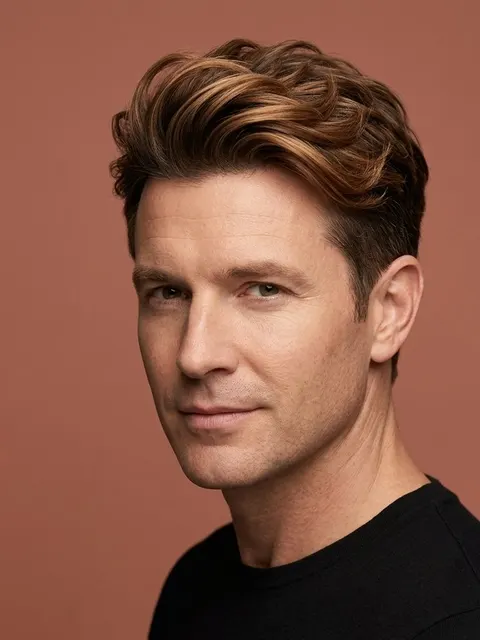
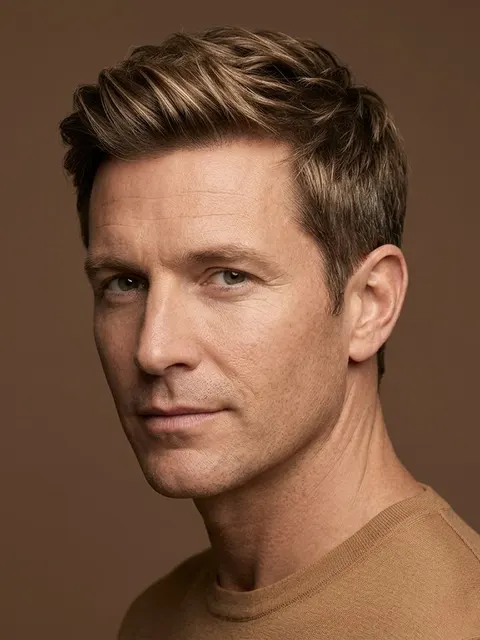
Men’s balayage is mostly about restraint: a few painted pieces on top of a medium-length cut, a shade or two lighter than your natural color, the way hair lightens after a summer outside. It needs at least 5 to 7 cm on top to show at all. Keep it away from the sides if you wear a fade, and keep the tone close to your beard.
See it on your hair before the appointment
Placement and tone are hard to judge from someone else’s photo. A hair color try-on shows caramel, blonde and babylights on your own hair, so you walk in knowing which one you want. For more shades, see our hair color ideas.