 Hairset
What a shag is
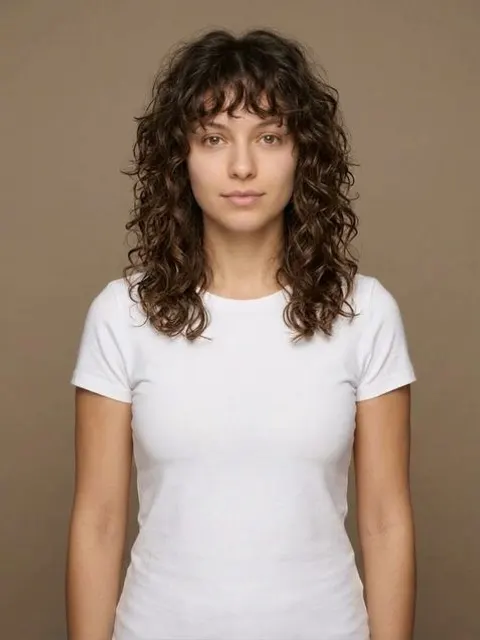
The defining feature is the layering pattern: lots of layers, spread around the whole head, shortest at the crown and around the face, with the ends thinned and texturized rather than blunt. Most shags come with a fringe, often curtain bangs or a choppy fringe.
It’s the parent of a few modern cuts. The wolf cut is a shag with more length kept at the back. The mullet is a shag with a visible jump. A layered haircut is the calmer cousin: fewer, longer layers and a fuller perimeter.



Who it suits
Shags add width at the temples and cheekbones, so they’re great for oblong faces and soften a square jaw. Oval and heart faces wear any version. Round faces can wear one too, but ask for less volume at the sides and more at the crown.
Texture is where the shag shines. Wavy hair practically styles itself into one. Curly hair loves a curly shag: layers lift the crown and take the weight off the ends, so curls stop forming a triangle. Fine, straight hair is the hardest case; all that layering can make it look thin, so ask for fewer layers and keep the perimeter fuller.
How to ask for a shag
Styling in five minutes
Straight or wavy: texturizing spray or mousse on damp hair, rough-dry with your head flipped for volume, then twist a few pieces around a large curling iron and shake them out. Finish with a dry texture spray. Curly: curl cream or gel on soaking-wet hair, scrunch, diffuse or air-dry, and lift the roots at the crown with your fingers once dry.
Avoid heavy oils and serums at the roots. A shag lives on volume, and weight kills it.
Upkeep
One of the lowest-maintenance cuts: every 8 to 12 weeks, plus fringe trims in between if you have one. It grows into longer layers without an awkward stage, which makes it a good cut to try if you’re not sure about short hair.