 Hairset
What makes it a mullet
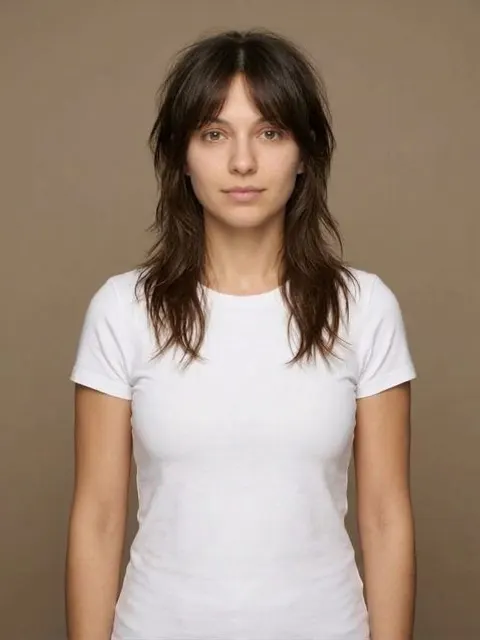
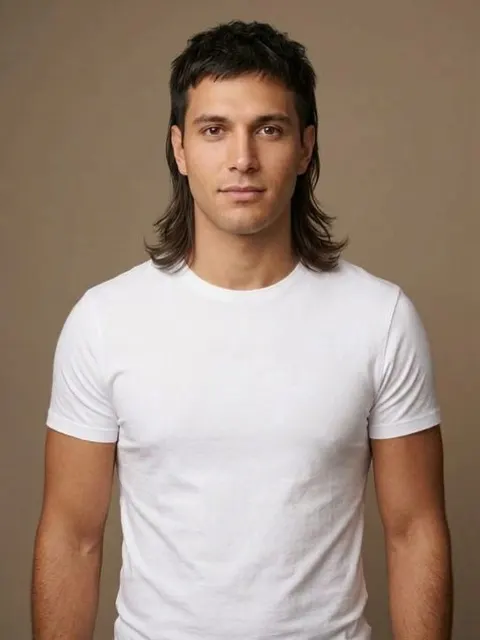
A mullet is defined by the contrast: the top, sides and fringe are cut noticeably shorter than the back. The old version had a hard step. The modern soft mullet blends the two with layers, so the longer back looks like it belongs to the same haircut.
It shares DNA with the wolf cut, and people use the names loosely. The useful difference: a wolf cut keeps the back wispy and blended into the layers; a mullet lets you see that the back is longer. A shag mullet sits in between, with shaggy layers everywhere and extra length at the nape.

Who suits a mullet
The height and texture on top make it a good match for oval, round and heart faces. On a round face, ask for a bit of height at the crown and keep the sides close; on a heart face, the length at the back balances a wider forehead.
Wavy and curly hair carry a mullet best, because the texture makes the back look intentional. Very fine, straight hair can make the back look thin and stringy; a soft mullet with less contrast, or a shag, is the safer choice.
Be honest about your setting, too. A soft mullet is office-friendly. A high-contrast mullet with a fade on the sides is a statement, and you should want to make it.
How to ask for one
Soft mullet (stylist)
Men’s mullet (barber)
Styling it
Mullets want texture, not polish. On damp hair: sea salt or texturizing spray, rough-dry with your fingers, then a little matte paste through the top. Leave the back alone, or twist a few pieces. Curly mullets just need curl cream and air-drying.
Upkeep and growing it out
The sides and fringe lose their shape first, so plan on a tidy-up every 4 to 6 weeks; the back can wait longer. To grow it out, stop cutting the top and sides and keep trimming only the back ends. In three to four months the front catches up and it reads as a shag.